Nevertheless, your beneficiaries do have a couple of choices. They can settle the debt you owe by buying the home for the quantity owed or for 95% of the appraised worth whichever is less. This can be done by paying on their own or re-financing the loan into a regular home loan. how do biweekly mortgages work.
If the house costs more than it deserves, they can keep the remaining money. If it costs less than what's owed, they won't have to pay the distinction. Finally, they can permit the house to go into foreclosure. The decision your beneficiaries make will normally depend on how much equity is in the house.
A reverse mortgage is a home mortgage that you do not have to pay back for as long as you reside in your house. It can be paid to you in one swelling amount, as a regular monthly income, or at the times and in the amounts you desire. The loan and interest are paid back just when you sell your house, permanently move away, or pass away.
They are repaid in complete when the last living customer dies, sells the house, or permanently moves away. Due to the fact that you make no month-to-month payments, the amount you owe grows bigger in time. By law, you can never owe more than your home's value at the time the loan is paid back.
If you fail to pay these, the lending institution can utilize the loan to pay or require you to pay the loan in complete. All homeowners need to be at least 62 years of ages. At least one owner should reside in your home most of the year. Single household, one-unit house.
Some condominiums, planned unit developments or made houses. NOTE: Cooperatives and the majority of mobile homes are not eligible. Reverse home loans can be paid to you: Simultaneously in money As a month-to-month income As a credit limit that lets you decide how much you desire and when In any combination of the above The amount you get usually depends on your age, your home's worth and location, and the expense of the loan.
Many people get the most money from the Home Equity Conversion Home Loan (HECM), a federally insured program. Loans provided by some states and local governments are often for specific functions, such as paying for home repairs or residential or commercial property taxes. These are the least expensive cost reverse home mortgages. Loans offered by some banks and mortgage business can be used for any purpose.
How Do Points Work In Mortgages Things To Know Before You Get This
HECM loans are practically always the least costly reverse home mortgage you can receive from a bank or home loan business, and in numerous cases are significantly less expensive than other reverse home loans. Reverse home loans are most pricey in the early years of the loan and usually end up being less pricey over time.
The federal government needs you to see a federally-approved reverse home mortgage therapist as part of getting a HECM reverse mortgage. To find out more about Reverse Home loans, go to AARP: Understanding Reverse Mortgages. how do fannie mae mortgages work.
Marketer Disclosure Lots Of or all of the products included here are from our partners who compensate us. This might influence which items we discuss and where and how the item appears on a page. Nevertheless, this does not affect our examinations. Our viewpoints are our own. After retirement, without regular earnings, you may sometimes have a hard time with finances.
A reverse home loan is a home mortgage that permits house owners 62 and older to withdraw a few of their house equity and convert it into cash. You do not have to pay taxes on the earnings or make regular monthly home mortgage payments. You can utilize reverse mortgage proceeds nevertheless you like (how do fannie mae mortgages work). They're often allocated for costs such as: Financial obligation consolidation Living expenditures Home enhancements Helping children with college Purchasing another home that may better meet your needs as you age A reverse mortgage is the opposite of a standard mortgage; rather of paying a lending institution a monthly payment every month, the loan provider pays you.
The sum you receive in a reverse mortgage is based on a sliding scale of life expectancy. The older you are, the more house equity you can pull out. The Federal Real estate Administration guarantees 2 reverse home mortgage types: adjustable-rate and a fixed-rate. Fixed-rate reverse mortgages consist of a one-time swelling amount payment.
Adjustables have five payment choices: Set monthly payments so long as you or your qualified spouse remain in the house Set month-to-month payments for a fixed period Unspecified payments when you need them, up until you have actually exhausted your funds A line of credit and set regular monthly payments for as long as you or your eligible spouse live in the home A credit line and set regular monthly payments for a fixed duration of your picking To apply for a reverse home loan, you should fulfill the following FHA requirements: You're 62 or older You and/or an eligible spouse who should be called as such on the loan even if she or he is not a co-borrower reside in the house as your primary home You have no overdue federal debts You own your home outright or have a considerable quantity of equity in it You participate in the mandatory therapy session with a house equity conversion home loans (HECM) therapist approved by the Department of Real Estate and Urban Advancement Your house fulfills all FHA property standards and flood requirements You continue paying all real estate tax, property owners insurance and other home upkeep costs as long as you reside in the home Before releasing a reverse mortgage, a loan provider will inspect your credit report, validate your regular monthly income versus your regular monthly financial commitments and order an appraisal on your home.
Almost all reverse mortgages are released as home equity conversion home mortgages (HECMs), which are guaranteed by the Federal Housing Administration. HECMs come with rigid loaning standards and a loan limit. If you think a reverse mortgage might be best https://sandirk8qf.doodlekit.com/blog/entry/11076789/the-greatest-guide-to-what-can-itin-numbers-work-for-home-mortgages for you, discover an HECM counselor or call 800-569-4287 toll-free to find out more about this funding alternative.

Some Known Details About How Do Canadian Commercial Mortgages Work
A reverse home loan is a mortgage made by a home loan lender to a property owner using the home as security or collateral. Which is substantially various than with a standard home mortgage, where the house owner utilizes their earnings to pay down the financial obligation with time. However, with a reverse home mortgage, the loan quantity (loan balance) grows gradually because the house owner is not making month-to-month home loan payments.
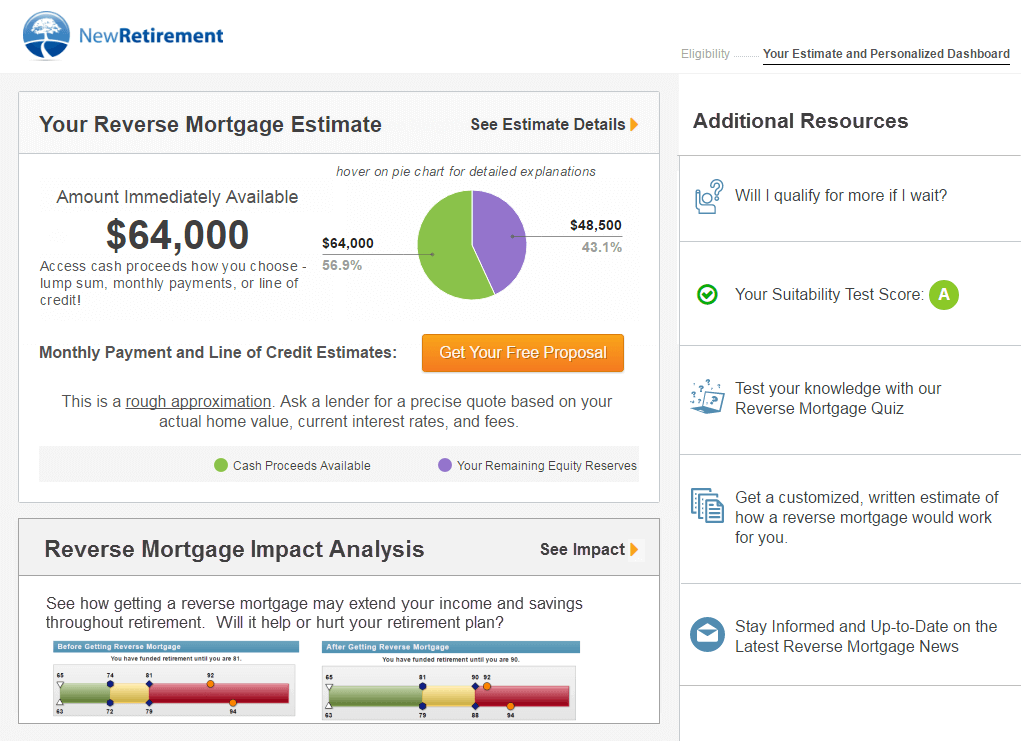
The amount of equity you can access with a reverse mortgage is identified by the age of the youngest debtor, existing rate of interest, and value of the house in concern. Please note that you may need to set aside additional funds from the loan continues to spend for taxes and insurance.
They would like to remodel their kitchen. They have become aware of reverse home loan loans however didn't know the information. They choose to get in touch with a reverse home loan consultant to discuss their present needs and future goals if they might acquire access to a part of the funds stored in their house's equity.